

Do Not Despise the Small Things
What Looks Like Nothing May Be Everything

Mercy Hidden in Smallness
We live in a world impressed by size.
We count attendance, track views, measure influence, compare budgets, and ask whether anything is growing fast enough to matter. Even in the church, we can start asking the world’s questions: How large? How fast? How visible? How impressive?
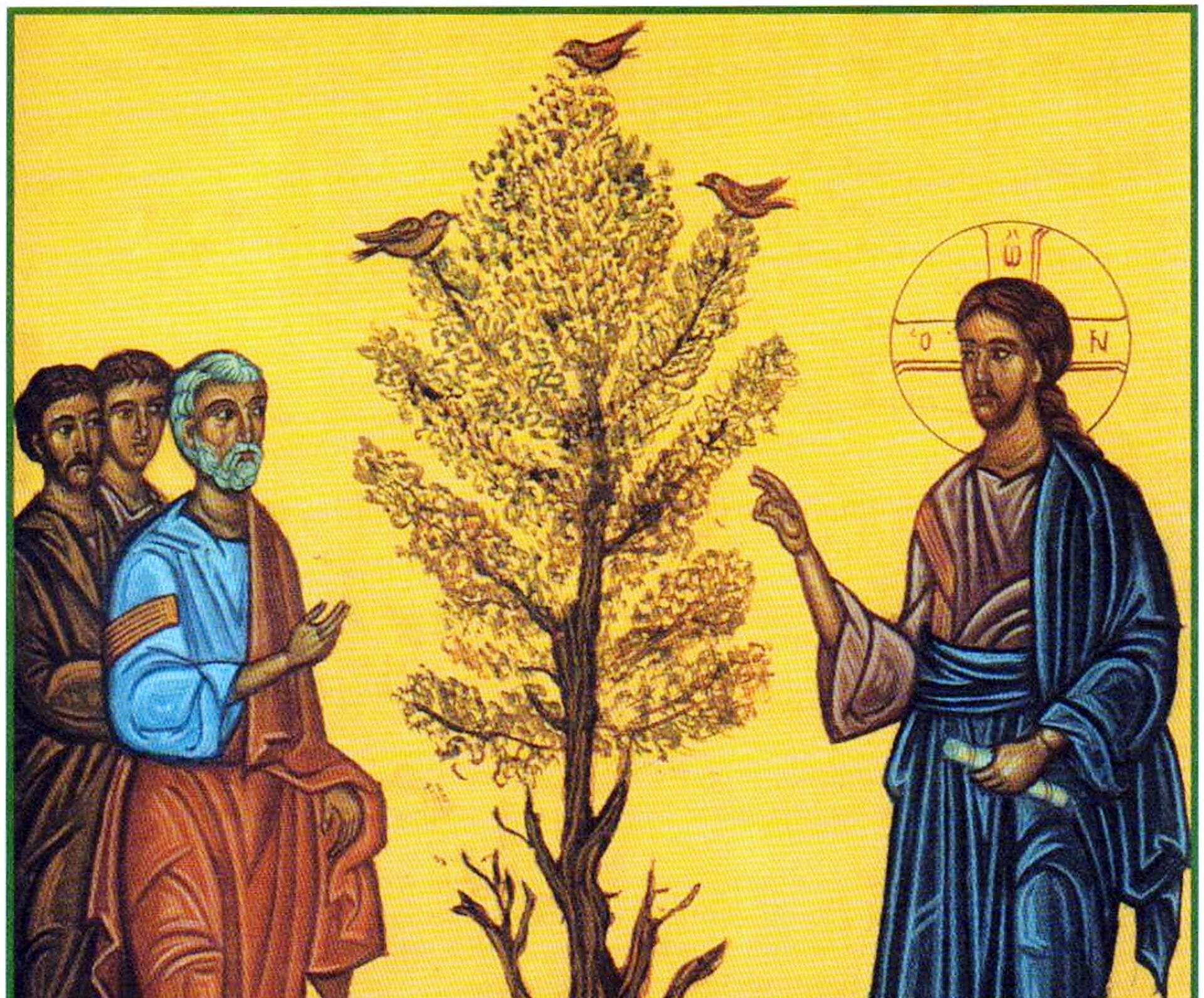
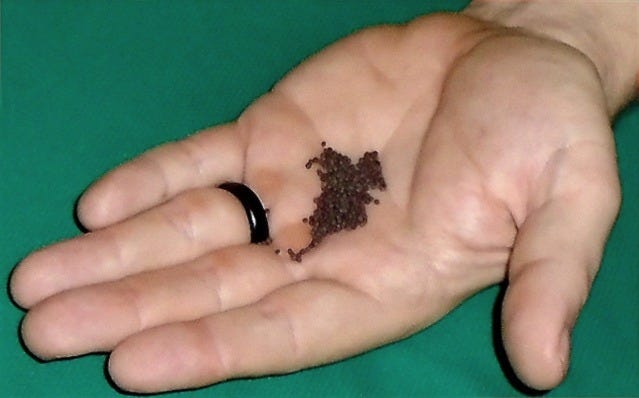
But Jesus does not compare the kingdom of God first to something large, mighty, or impressive. He compares it to something small enough to lose in the crease of your palm. A mustard seed.
“The kingdom of heaven is like a grain of mustard seed that a man took and sowed in his field. It is the smallest of all seeds, but when it has grown it is larger than all the garden plants and becomes a tree, so that the birds of the air come and make nests in its branches” (Matthew 13:31–32).
From the smallest seed, God brings forth a great tree. Likewise, Christ’s kingdom often begins in ways the world overlooks, but because it is God’s kingdom, it grows beyond expectation and becomes shelter for many.
The Kingdom Begins Small
Jesus begins with smallness.
“The kingdom of heaven is like a grain of mustard seed.” (Matthew 13:31)
When Jesus first spoke these words, His kingdom did not look grand or mighty. He taught beside the sea, surrounded by fishermen, farmers, tax collectors, mothers, children, and the sick. The religious leaders opposed Him. Rome watched from the edges. The crowds often misunderstood Him. Even His disciples still had more questions than answers.
By every visible measure, this was a humble start. But that is the point.
You can hold an acorn in your hand and not yet feel the weight of the oak. Likewise, you can hold a mustard seed between your fingers and scarcely imagine birds someday resting in its branches.
That is how God loves to work. He hides life in smallness. He begins in ways that are easy to dismiss, so that when the branches spread and the harvest comes, all the praise belongs to Him.
In the same way, Jesus did not come first as a conquering king. He came in humility. He came first as a helpless babe in swaddling clothes, lying in a manger. He spent his life as a traveling preacher and miracle worker, spending the vast majority of his time in rural and overlooked communities.
Ultimately, he came to be rejected, crucified, and buried by men, so that he could be raised by God for the salvation of many. The cross looked like failure. To the rulers who opposed him, it looked like victory. To the many, who had placed hope in him it looked like disappointment. To the disciples, it looked like the end. But in the wisdom of God, it was a seed going into the ground. Christ was buried, but He was not overcome. He went down into the earth, and from that buried life God brought resurrection, forgiveness, and a kingdom that will fill the earth.
So do not despise small acts of humble faithfulness. Obedience to Christ will humble you. It will cost you time, comfort, convenience, and control. To love well is to become vulnerable. You cannot bear burdens without feeling their weight, or love sinners without sometimes being wounded.
But this is the strange mercy of Christ’s kingdom: the life poured out becomes the life made free. The soul curved inward may seem safer, but it only grows smaller and more restless. The soul given to Christ in costly love becomes roomier. It learns contentment, receives peace, and discovers a joy the world cannot buy or take away.
Obedience will cost you something, but disobedience will cost you far more. The world may help you guard your comfort, but it cannot teach your soul to be free. Christ can. And often He does so through these small seeds of costly love.
And lest we forget, the kingdom begins in smallness, but it does not end in smallness. All of these small acts of obedience may look small in the moment, but they belong to a kingdom that grows beyond what we can see.
The Kingdom Grows
Jesus says, “When it is sown it grows up” (Mark 4:32).
We touched on this last week, but some truths need repeating because we forget them so easily. The power is not in the seed’s size, but in the life God has hidden within it.
The farmer works, but he does not command the harvest. He tills, plants, waters, waits, and watches. Yet growth comes through the order God has appointed. The farmer is responsible, but he is not sovereign.
That should humble us. We have work to do: real work, holy work, costly work. But the kingdom does not live by our cleverness, urgency, or control.
It should also encourage us. We are not called to be lord of the harvest, but faithful in the field. So we must not mistake slowness for weakness, or hiddenness for absence. The seed grows because God has put life in it, and what God makes alive, He knows how to bring to fullness.
The Kingdom Becomes Shelter for Many
Finally, Jesus says the mustard seed grows large branches, “so that the birds of the air can make nests in its shade” (Mark 4:32).
It is a beautiful image. What was once tiny, buried, and easy to overlook becomes a place of rest.
In the Old Testament, great trees are a recurring metaphor of great kingdoms. In Ezekiel, the Lord speaks of planting a sprig that becomes a noble cedar, and “under it will dwell every kind of bird; in the shade of its branches birds of every sort will nest” (Ezekiel 17:23).
Jesus is saying that His kingdom will become far greater than anyone would have expected from its humble beginning. What began beside the Sea of Galilee would reach the nations. What began with a few disciples would become a people from every tribe and language and nation. What looked small enough to dismiss would become large enough to shelter many.
This should enlarge our vision. The kingdom of Christ does not belong to one class, one nation, one century, or one people. Christ is gathering His church from the nations. His branches spread farther than our eyes can see.
This should also shape the kind of church we become. When the gospel matures in a congregation, that church becomes a shelter under the crucified and risen Savior, who receives sinners and gives them rest.
Think of the people around us. Many are like birds caught out in a storm. They do not need a church preening over its own importance. They need a people rooted deeply in Christ, with branches wide enough to give shade, strong enough to bear weight, and low enough for weary souls to find a place to rest.
That kind of church does not happen by accident. It happens when the gospel grows in us.
When the gospel grows in a person, that person becomes less curved inward. He begins to notice others. She begins to make room. A church that once thought mostly about survival begins to think about mission.
So let each of us ask: who is finding shelter in my branches? Who is safer because I follow Jesus? Who is encouraged because I speak truth with patience? Who is being prayed for because God has placed them near me? Who finds in my home, my words, my table, or my presence some small taste of the welcome of Christ?
And let us ask together as a church: are we becoming the kind of people among whom weary sinners can find the shade of the gospel? Are we making room for children, the elderly, widows, visitors, the awkward, the wounded, the poor, the spiritually confused, and the newly converted? Are we clear enough to tell the truth and warm enough to show that the truth is good? Are our branches wide enough to welcome, and are our roots deep enough to hold?
I believe a mature church inevitably becomes a nesting place for bruised and restless souls because Christ is present among His people.
And I also believe there is hope here for those who resist the gospel. Earlier in Mark 4, birds snatch away seed. But here birds nest in the branches. We should not press every detail too far, but the picture is beautiful. People who once resisted the word may yet come to rest under its shade. Those who once stood outside may yet be gathered in. Those who once seemed far from Christ may yet find mercy beneath His branches.
So we should never assume the story is over because the seed looks small. And we should never assume the person in front of us is beyond the reach of Christ.
The kingdom grows beyond expectation because the King is alive, and the King will finish what He began.
One day the kingdom will not be hidden at all. Faith will become sight. Every knee will bow, and every tongue confess that Jesus Christ is Lord, to the glory of God the Father.
Until then, the world will still be impressed by size. It will still count what can be counted and dismiss what looks small. But Jesus has told us how His kingdom comes. It begins like a seed. It grows by the life of God. And as it grows, it becomes shelter for many.
So continue sowing the word, praying in hope, welcoming the weary, and trusting in the Lord of the field.
The kingdom that began so small will not remain hidden forever.